
Texas has no state income tax and the two fastest-growing metros in the country. Houston and Dallas are each adding well over a hundred thousand residents a year. The trade-off investors have to underwrite is property tax — it is materially higher here than in most IPS markets, and it is the line that decides whether a Texas deal works.
Key Takeaways
- Income tax: none — rental income is not taxed at the state level (Tax Foundation).
- Growth: Houston added ~127,000 and Dallas ~124,000 residents in the year ending July 2025 (U.S. Census via Houston.org).
- Property tax: 1.4% effective rate — higher than most IPS markets, and the number to underwrite (Tax Foundation).
- Entry price: $343,779 median sale price, May 2026 (Redfin).
Want this market read against your numbers?
Send your budget, target cash flow and financing and we'll tell you whether Texas actually fits — and which of our markets fits better if it doesn't. You'll get the analysis, not a pitch.
Texas Market Analysis
Everything behind the score — drivers, cost structure, rental demand, and the criteria we underwrite against.
Three key market drivers
1. Population Growth
Texas is home to the two fastest-growing metros in the United States: Houston added roughly 127,000 residents and Dallas roughly 124,000 in the year ending July 2025 (U.S. Census via Houston.org). That scale of in-migration is the deepest tenant-demand pool of any IPS market.
2. Job Growth & Economic Strength
Texas continues to be one of the largest employment engines in the country. From December 2024 to December 2025, Texas added 132,500 jobs, more than any other state, and reached record highs for labor force, working Texans, and total nonfarm jobs.
Texas benefits from a broad employment base, including:
- Energy
- Technology
- Healthcare
- Logistics and distribution
- Manufacturing
- Construction
- Financial services
- Aerospace and defense
- Corporate relocations
For real estate investors, job growth matters because jobs drive renter demand, tenant quality, and household formation. Markets with multiple employment drivers are typically more resilient than areas dependent on one industry.
3. Cost Structure: Prices, Taxes & Affordability
Texas swaps income tax for higher property tax — the math must reflect it.
| Factor | Value |
|---|---|
| State income tax | None |
| Effective property tax | 1.4% — higher than most IPS markets |
| Median sale price (May 2026) | $343,779 |
Tax data: Tax Foundation; price: Redfin. IPS underwrites Texas deals with the full property-tax load built in.
Cost structure, rental demand and submarkets
Housing Shortage & Rental Demand
Texas continues to face affordability pressure and a shortage of attainable housing. The Texas Comptroller noted that median home prices increased 40% between 2019 and 2023, creating affordability challenges for many Texans.
Housing costs have also grown faster than incomes in recent years, with inflation-adjusted median rent increasing 9.1%between recent five-year Census comparison periods.
For investors, that means many households are renting longer, especially in markets where homeownership has become harder to reach.
In many Texas submarkets, renters are looking for:
- Newer single-family homes
- Townhomes
- 3-bedroom layouts
- Garages or dedicated parking
- Reasonable commute access
- Energy-efficient homes
- Professional property management
- Access to schools, jobs, and retail
That is why IPS often focuses on new construction townhomes, single-family rentals, and build-to-rent style communities instead of older properties with higher maintenance risk.
IPS Texas Focus
IPS is currently focused on Texas opportunities that offer a practical balance of rental demand, cost basis, and long-term growth.
Product Types We Like
- New construction single-family rentals
- New construction townhomes
- Build-to-rent style communities
- Near-completion inventory
- Projects with builder incentives or pricing flexibility
- Flex-space opportunities where the numbers justify the risk
Why New Construction?
New construction can be especially attractive in Texas because it may offer:
- Lower near-term maintenance
- Builder warranties
- Modern floor plans renters prefer
- Energy efficiency
- Easier leasing compared to dated product
- Better resale appeal
- More predictable ownership experience
IPS prefers opportunities where investors can close near completion or after construction is complete. This reduces timeline risk and allows us to underwrite based on more reliable rent, taxes, insurance, HOA, and lease-up assumptions.
What we look for, and how we underwrite it
What We Look For
IPS evaluates each Texas opportunity through a disciplined investor lens.
We look for:
- Strong rent-to-price ratio
- Realistic rent comps
- Positive or near-positive monthly cash flow
- Verified tax assumptions
- Accurate insurance estimates
- Manageable HOA costs
- Quality builder execution
- Functional floor plans
- Strong lease-up potential
- Market demand beyond appreciation alone
Typical ranges we look for in select Texas opportunities:
- Purchase prices: approximately $250K–$450K+ per unit
- Rents: approximately $1,900–$2,700/month
- Expense ratios: approximately 28%–35% depending on taxes, HOA, and insurance
- Cap rates: approximately 5.5%–6.5%+ when pricing and incentives align
- Cash flow: often tighter than Midwest/Southeast markets, but can improve significantly with builder incentives or price reductions
Why IPS for Texas real estate
Disciplined Deal Selection
We do not recommend every project we review. IPS focuses on opportunities where the numbers make sense and the market fundamentals support long-term rental demand.
Builder Relationships
IPS works with national and regional builders to identify opportunities that offer better pricing, incentives, timelines, and product quality.
Investor-Focused Underwriting
We evaluate deals using conservative assumptions, including realistic rents, taxes, insurance, HOA costs, property management, vacancy, and maintenance.
Market Diversification
Texas gives investors exposure to one of the largest growth economies in the country. For investors looking to diversify beyond Utah, Arizona, Idaho, Tennessee, and the Southeast, Texas can be a strong fit—but only when the deal is underwritten correctly.
Texas Submarkets
Dallas / Fort Worth
Large employment base, strong population growth, and broad rental demand. Pricing, taxes, and insurance must be carefully verified.
San Antonio
More affordable than other major Texas metros, with military, healthcare, logistics, and workforce housing demand.
Austin Suburbs
Strong long-term growth and technology-driven demand, but pricing can be difficult and cash flow is often tighter.
Houston Suburbs
Large and diverse economy, but insurance, flood exposure, and property taxes require careful review.
Fort Worth / North Texas Growth Corridors
Strong suburban expansion and job access, with potential in the right communities.
Oklahoma/Texas Border and Secondary Markets
Potential for better cash flow, but submarket and property management quality matter.
Investment Projects in Texas
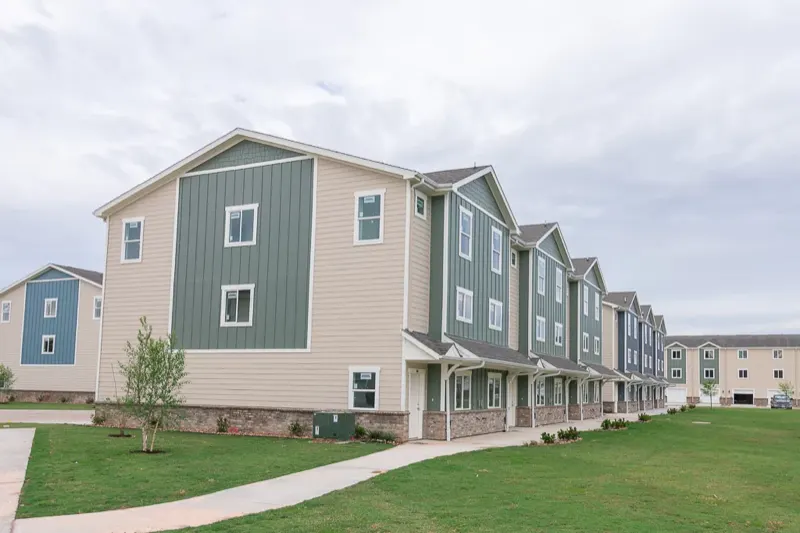
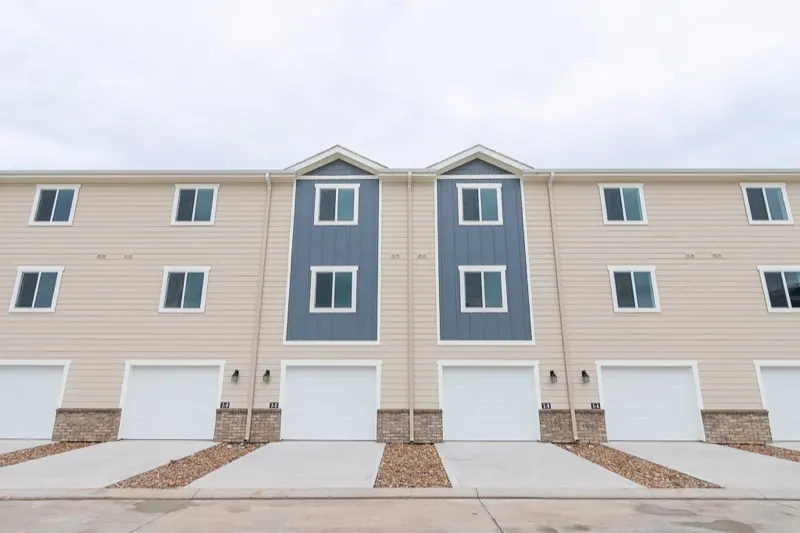
Every Texas project we've brought to investors has sold. New inventory is sourced continuously — tell us your criteria and we'll reach out when the next one clears underwriting.
Final IPS Take
Texas is a powerful long-term investment market, but it is not automatic.
Population growth, job creation, business expansion, and housing affordability challenges continue to support rental demand. At the same time, property taxes, insurance, and higher purchase prices mean investors need to be selective.
The right Texas deal must be supported by real rents, verified expenses, and a conservative proforma.
If we wouldn’t buy it, we won’t recommend it.
Frequently Asked Questions
Is Texas good for real estate investors despite high property taxes?
Texas offers no state income tax and the nation's two fastest-growing metros (Houston and Dallas each ~125,000 new residents in 2025), but its ~1.4% effective property tax is higher than most markets, so deals must be underwritten with the full tax load.
Does Texas have a state income tax?
No. Texas has no individual income tax; it relies on sales and property taxes instead (Tax Foundation, 2026).