
South Carolina was the fastest-growing state in the country, and it is priced to still work. That demand sits alongside a low effective property tax and an income tax on a legislated path toward elimination — a rare combination of population inflow and falling carrying cost.
Key Takeaways
- Growth: +1.5% population and +66,622 net domestic migrants in 2024–25 (U.S. Census via SC DEW).
- Property tax: 0.49% effective rate (Tax Foundation).
- Income tax: 1.99% up to $30K and 5.21% above for 2026, down from 6.0%, with a legislated path to elimination (Tax Foundation).
- Entry price: $351,716 median sale price, May 2026 (Redfin).
Want this market read against your numbers?
Send your budget, target cash flow and financing and we'll tell you whether South Carolina actually fits — and which of our markets fits better if it doesn't. You'll get the analysis, not a pitch.
South Carolina Market Analysis
Everything behind the score — drivers, cost structure, rental demand, and the criteria we underwrite against.
Three key market drivers
1. Population Growth
South Carolina was the fastest-growing state in the United States between July 2024 and July 2025, expanding 1.5% and netting 66,622 more residents from domestic migration than it lost (U.S. Census via SC Dept. of Employment & Workforce). Growth concentrates around Charleston, Greenville, and Myrtle Beach, where in-migrants frequently rent before buying — supporting demand for new rental product.
2. Job Growth & Economic Stability
South Carolina’s economy continues to show strength. The state reported 3.5% year-over-year real GDP growth from Q3 2024 to Q3 2025, the fastest in the country during that period and above the national 2.3% increase.
For real estate investors, job growth matters because employment drives household formation, renter demand, and tenant quality.
South Carolina’s economy is supported by several durable sectors:
- Manufacturing
- Automotive
- Aerospace
- Healthcare
- Logistics and distribution
- Tourism and hospitality
- Port-related employment
- Higher education and government employment
Markets like Greenville-Spartanburg, Columbia, Charleston, and the coastal/Savannah-border corridor benefit from a mix of employment drivers, making them attractive for long-term rental demand.
3. Cost Structure: Prices, Taxes & Affordability
South Carolina combines strong demand with low carrying costs.
| Factor | Value |
|---|---|
| Effective property tax | 0.49% — among the lowest in the U.S. |
| State income tax | 1.99% / 5.21% (2026), phasing toward elimination |
| Median sale price (May 2026) | $351,716 |
Tax data: Tax Foundation; price: Redfin.
Cost structure, rental demand and submarkets
Housing Shortage & Rental Demand
South Carolina continues to face a shortage of affordable and available rental homes for extremely low-income households. NLIHC reports that the shortage exists statewide, and many renter households remain severely cost burdened.
That shortage is part of a broader supply-and-demand issue. Population growth has increased housing demand, while new supply has not always kept pace with the need for attainable housing.
In many South Carolina submarkets, renters are looking for:
- Newer homes or townhomes
- 3-bedroom layouts
- Garages or dedicated parking
- Reasonable commute access
- Lower-maintenance living
- Professional property management
- Access to schools, jobs, shopping, and major highways
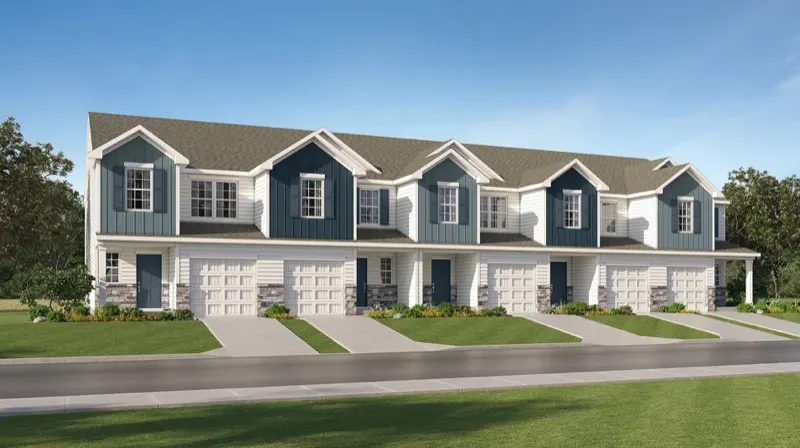
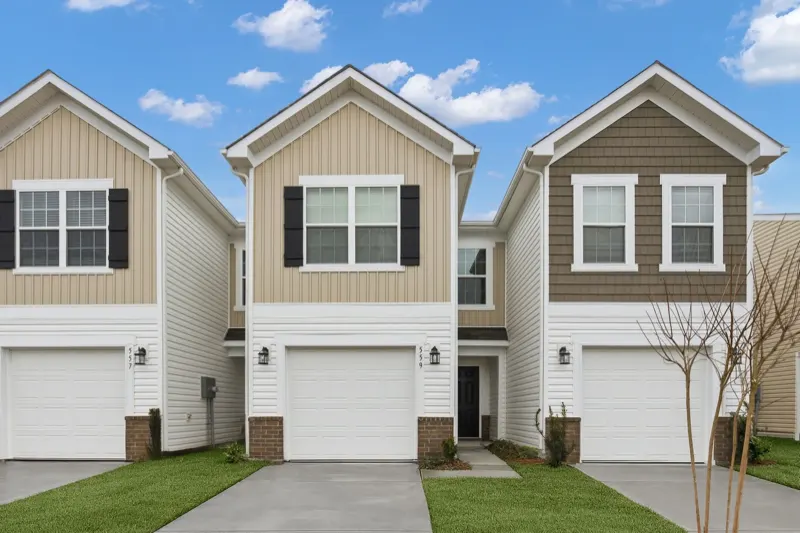
This is why IPS often focuses on new construction townhomes and single-family rentals in growth corridors instead of older, higher-maintenance properties.
IPS South Carolina Focus
IPS is currently focused on new construction opportunities in South Carolina that offer a practical balance of cash flow, appreciation potential, and tenant demand.
Product Types We Like
- New construction townhomes
- Single-family rentals
- Build-to-rent style communities
- Near-completion inventory
- Projects with builder incentives or pricing flexibility
- Communities in proven rental corridors
Why New Construction?
New construction can be especially attractive in South Carolina because it may offer:
- Lower near-term maintenance
- Builder warranties
- Modern layouts renters prefer
- Energy-efficient systems
- Easier leasing compared to dated product
- More predictable operating costs
- Cleaner exit strategy for resale
At IPS, we prefer opportunities where investors can close near completion or after construction is complete. This reduces uncertainty and allows us to underwrite closer to actual rent, taxes, HOA, insurance, and lease-up expectations.
What we look for, and how we underwrite it
What We Look For
IPS evaluates each South Carolina opportunity through a disciplined investor lens.
We look for:
- Strong rent-to-price ratio
- Realistic rent comps
- Positive monthly cash flow
- Reasonable HOA and operating expenses
- Quality builder execution
- Functional floor plans
- Strong lease-up potential
- Market demand beyond appreciation alone
Typical targets we look for in select South Carolina opportunities:
- Purchase prices: approximately $250K–$375K per unit
- Rents: approximately $1,800–$2,500/month
- Expense ratios: approximately 25%–30%
- Cap rates: approximately 6%+
- Cash flow: approximately $200–$400/month per unit, depending on financing and final terms
Why IPS for South Carolina real estate
Disciplined Deal Selection
We do not recommend every project we review. IPS focuses on opportunities where the numbers make sense and the market fundamentals support long-term rental demand.
Builder Relationships
IPS works to identify builders that can deliver quality product, reasonable timelines, and investor-friendly opportunities. This may include both national and regional builders depending on the market.
Investor-Focused Underwriting
We evaluate deals using conservative assumptions, including realistic rents, taxes, insurance, HOA costs, property management, vacancy, and maintenance.
Market Diversification
South Carolina gives investors exposure to a growing Southeast market without relying only on expensive Western markets. For investors looking to diversify beyond Utah, Arizona, and Idaho, South Carolina can be a strong fit.
South Carolina Submarkets
Greenville / Spartanburg
One of the strongest Upstate growth corridors, supported by manufacturing, logistics, healthcare, and continued population growth.
Columbia
A more affordable market with employment support from government, education, healthcare, and military-related demand.
Hardeeville / Bluffton Corridor
A growing area benefiting from coastal migration, Savannah access, and regional expansion.
Charleston-Adjacent Submarkets
Higher demand and stronger appreciation potential, but pricing and insurance must be carefully evaluated.
Savannah-Border Markets
Select South Carolina markets near Savannah can benefit from job growth, port activity, and spillover housing demand.
Investment Projects in South Carolina
Final IPS Take
South Carolina is not about chasing hype. It is about finding the right submarkets, the right builders, and the right cost basis.
Population growth, economic expansion, relative affordability, favorable property taxes, and housing supply shortages continue to support long-term rental demand. When paired with disciplined underwriting and new construction product, South Carolina can offer investors a compelling opportunity for cash flow, stability, and long-term growth.
If we wouldn’t buy it, we won’t recommend it.
Frequently Asked Questions
Why is South Carolina a strong real estate investment market in 2026?
South Carolina was the fastest-growing state in the U.S. in 2024-25 (+1.5%, +66,622 net migrants), with a low 0.49% effective property tax rate and an income tax being phased down toward elimination — a combination that supports both rental demand and net yield.
What is South Carolina's property tax rate?
South Carolina's effective property tax rate is about 0.49% of home value (Tax Foundation, 2026), among the lowest in the country.