
Idaho offers some of the lowest property taxes in the country alongside one of the fastest-growing corridors in the West. The Boise Treasure Valley has absorbed sustained in-migration since 2020. Entry prices have followed it up, so the question here is whether rent has kept pace — not whether people are arriving.
Key Takeaways
- Property tax: 0.50% effective rate, among the lowest of any state (Tax Foundation).
- Income tax: flat 5.30% (Tax Foundation).
- Growth: Treasure Valley (Ada + Canyon counties) grew from 726,072 to ~876,760, over 20% since 2020 (Idaho Business Review / U.S. Census).
- Entry price: $490,757 median sale price, May 2026 (Redfin).
Want this market read against your numbers?
Send your budget, target cash flow and financing and we'll tell you whether Idaho actually fits — and which of our markets fits better if it doesn't. You'll get the analysis, not a pitch.
Idaho Market Analysis
Everything behind the score — drivers, cost structure, rental demand, and the criteria we underwrite against.
Three key market drivers
1. Population Growth
The Boise-area Treasure Valley (Ada and Canyon counties) grew more than 20% since 2020, from 726,072 to roughly 876,760 residents (Idaho Business Review / U.S. Census). Idaho ranked among the two fastest-growing states in 2025, sustaining strong rental demand in a supply-constrained market.
2. Job Growth & Economic Stability
Idaho’s labor market remains stable, with unemployment staying low. In 2025, Idaho’s unemployment rate remained around 3.5%–3.7%, and the state continued to show job openings above national levels in some periods.
Idaho’s economy is supported by several key sectors:
- Technology
- Healthcare
- Construction
- Agriculture
- Manufacturing
- Logistics
- Education and services
The Boise/Nampa corridor continues to be the state’s primary economic engine, while markets like Meridian, Caldwell, Idaho Falls, Twin Falls, and Coeur d’Alene provide additional demand drivers.
For investors, employment stability matters because jobs support renter demand, occupancy, and tenant quality.
3. Cost Structure: Prices, Taxes & Affordability
Idaho’s defining advantage is exceptionally low property tax.
| Factor | Value |
|---|---|
| Effective property tax | 0.50% — among the lowest in the U.S. |
| State income tax | 5.30% flat |
| Median sale price (May 2026) | $490,757 |
Tax data: Tax Foundation; price: Redfin.
Cost structure, rental demand and submarkets
Housing Shortage & Rental Demand
Idaho’s rapid growth has created continued pressure on housing supply. As prices have risen, more households have been forced to rent longer, especially first-time buyers and middle-income households.
The state’s population growth has outpaced housing affordability in many areas, creating demand for attainable rental housing in growth corridors. This is especially true in markets where new residents are moving for jobs, lifestyle, and lower overall cost compared to larger Western metros.
In many Idaho submarkets, renters are looking for:
- Newer single-family homes
- Townhomes
- 3-bedroom layouts
- Garages
- Low-maintenance living
- Professional property management
- Access to employment corridors
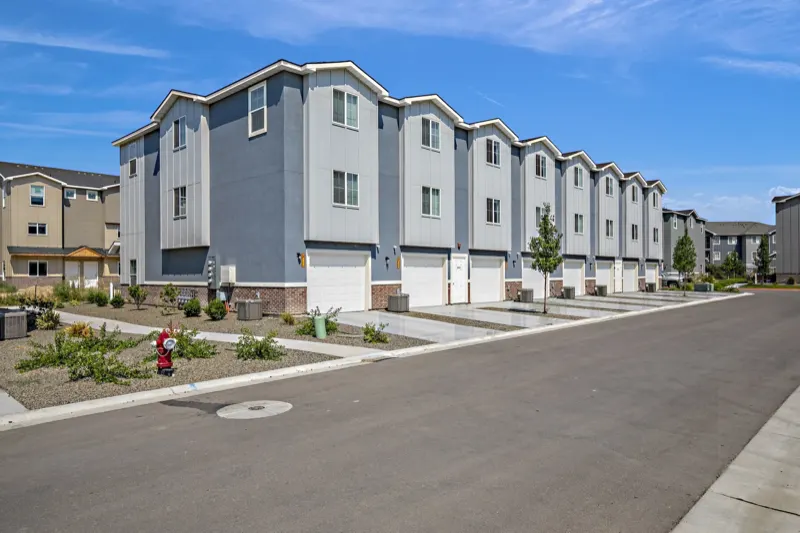
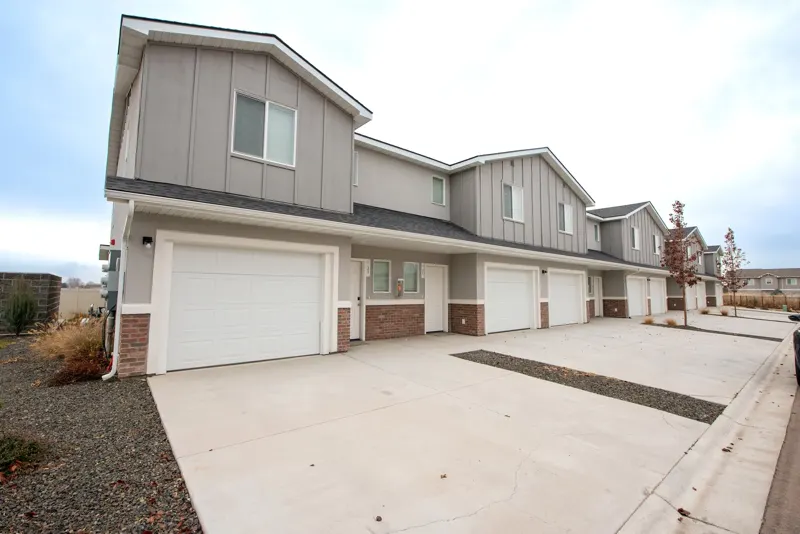
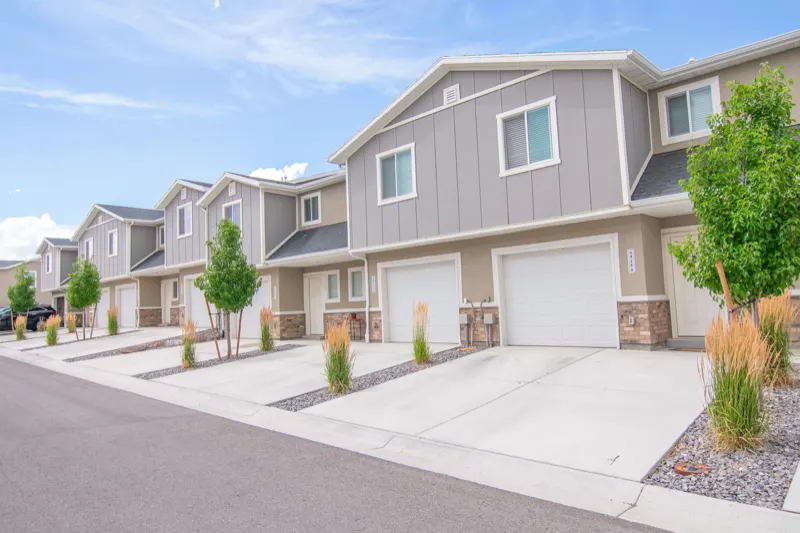
That is why IPS often focuses on new construction townhomes, duplexes, and single-family rentals instead of older, higher-maintenance properties.
IPS Idaho Focus
IPS is focused on Idaho opportunities that offer a practical balance of rentability, cost basis, and long-term demand.
Product Types We Like
- New construction townhomes
- New construction duplexes and fourplexes
- Single-family rentals
- Build-to-rent style communities
- Near-completion inventory
- Projects with builder incentives or price flexibility
Why New Construction?
New construction can be especially attractive in Idaho because it may offer:
- Lower near-term maintenance
- Builder warranties
- Modern layouts tenants prefer
- Better energy efficiency
- Easier leasing compared to dated product
- Cleaner resale potential
- More predictable ownership experience
IPS prefers opportunities where investors can close near completion or after construction is complete. This reduces timeline risk and allows us to underwrite closer to actual rent, taxes, insurance, HOA, and lease-up expectations.
What we look for, and how we underwrite it
What We Look For
IPS evaluates each Idaho opportunity through a disciplined investor lens.
We look for:
- Strong rent-to-price ratio
- Realistic rent comps
- Positive or near-positive monthly cash flow
- Reasonable property taxes
- Verified insurance estimates
- Manageable HOA costs
- Quality builder execution
- Functional floor plans
- Strong lease-up potential
- Market demand beyond appreciation alone
Typical ranges we look for in select Idaho opportunities:
- Purchase prices: approximately $300K–$550K+ per unit
- Rents: approximately $1,900–$3,000/month
- Expense ratios: approximately 25%–30%
- Cap rates: often around 5.5%–6.5%, depending on pricing, product type, and incentives
- Cash flow: generally tighter than Midwest/Southeast markets, but stronger deals can still work with the right basis
Why IPS for Idaho real estate
Disciplined Deal Selection
We do not recommend every project we review. IPS focuses on opportunities where the numbers make sense and the market fundamentals support long-term rental demand.
Builder Relationships
IPS works with national and regional builders to identify opportunities that offer better pricing, incentives, timelines, and product quality.
Investor-Focused Underwriting
We evaluate deals using conservative assumptions, including realistic rents, taxes, insurance, HOA costs, property management, vacancy, and maintenance.
Market Experience
Idaho is one of IPS’s core markets. We understand that Idaho can be a strong long-term market, but investors need to be selective and avoid overpaying in areas where rent does not support the purchase price.
Idaho Submarkets
Boise / Meridian
Strong tenant demand and long-term appreciation potential, but pricing must be carefully underwritten.
Nampa / Caldwell / Middleton
More attainable price points with strong rental demand from renters priced out of Ada County.
Idaho Falls
Stable employment base, growing population, and more affordable entry points.
Twin Falls
Regional job base and more affordable housing compared to Boise-area submarkets.
Coeur d’Alene / North Idaho
Strong lifestyle demand and long-term appeal, but pricing and seasonality should be evaluated carefully.
Investment Projects in Idaho
Every Idaho project we've brought to investors has sold. New inventory is sourced continuously — tell us your criteria and we'll reach out when the next one clears underwriting.
Final IPS Take
Idaho is a strong long-term growth market, but it is not the easy cash-flow market it once was.
Population growth, job stability, low property taxes, and continued housing demand support the investment case. That said, pricing has moved up, so investors need disciplined underwriting and the right product.
The right Idaho deal must be supported by real rents, verified expenses, and a clear long-term strategy.
If we wouldn’t buy it, we won’t recommend it.
Frequently Asked Questions
Is Idaho good for real estate investment?
Idaho combines some of the lowest property taxes in the U.S. (0.50% effective rate) with rapid Treasure Valley growth (over 20% since 2020), making it attractive for appreciation and demand, though entry prices (median ~$490K) are higher than the Midwest.
What is Idaho's property tax rate?
Idaho's effective property tax rate is about 0.50%, among the lowest of any state (Tax Foundation, 2026).