
Chattanooga combines Tennessee’s no-income-tax advantage with a materially lower entry price than Nashville. Job growth is accelerating off a diversified base rather than a single plant, and the basis gap to Nashville is wide enough that the same rent goes further here.
Key Takeaways
- Carrying cost: no state income tax and a 0.52% effective property tax in Tennessee (Tax Foundation).
- Entry price: ~$350,000 median sale price in the city; $381,000 in Hamilton County (Redfin, 2026).
- Accelerating jobs: the metro is projected to add 6,600 jobs in 2026, up from 3,100 in 2025 (Center for Regional Economic Research).
Want this market read against your numbers?
Send your budget, target cash flow and financing and we'll tell you whether Chattanooga actually fits — and which of our markets fits better if it doesn't. You'll get the analysis, not a pitch.
Chattanooga Market Analysis
Everything behind the score — drivers, cost structure, rental demand, and the criteria we underwrite against.
Three key market drivers
1. Demand & Job Growth
Chattanooga’s job market is accelerating: the metro is projected to add 6,600 jobs in 2026, more than double the 3,100 added in 2025 (Center for Regional Economic Research). Combined with lower entry prices than Nashville, that demand supports strong rent-to-price potential for new rental product.
2. Job Growth & Job Quality
Chattanooga has a diversified employment base with support from manufacturing, logistics, healthcare, education, tourism, government, and professional services.
As of July 2025, the Chattanooga MSA had approximately 436,000 total jobs, with 0.5% year-over-year job growth. From 2020–2024, the broader region saw 129 economic development projects, 11,836 jobs created, and $4.8 billion in capital investment.
Major employment drivers include:
- Volkswagen
- Erlanger Health System
- BlueCross BlueShield of Tennessee
- Unum
- Tennessee Valley Authority
- Amazon / logistics and distribution
- University of Tennessee at Chattanooga
- Hamilton County Schools
- Tourism and outdoor recreation
Job quality matters. A market with healthcare, manufacturing, insurance, logistics, education, and corporate employers is stronger than a market supported only by lower-wage retail/service jobs.
UTC’s CRER recently projected 3,200 net job gains in 2026 and 6,000 net job gains in 2027, after a softer 2025 employment year.
3. Cost Structure: Prices, Taxes & Affordability
Chattanooga inherits Tennessee’s low-tax structure at a lower basis than Nashville.
| Factor | Value |
|---|---|
| State income tax | None (Tennessee) |
| Effective property tax | 0.52% (Tennessee) |
| Median sale price (2026) | ~$350,000 (city) / $381,000 (Hamilton County) |
Tax data: Tax Foundation; price: Redfin.
Cost structure, rental demand and submarkets
Housing Shortage & Rental Demand
Chattanooga continues to face housing supply pressure. A recent housing report found that housing growth has lagged demand, pushing prices higher, while vacancy rates inside the city dropped from just under 15% to just above 8%.
Chattanooga’s Housing Action Plan also highlights the affordability issue: median rent increased 30% since 2020, while median renter income grew only about 13%, creating growing cost burdens for renter households.
For investors, this means demand exists—but rent assumptions still need to be realistic. Renters are looking for:
- Newer townhomes or single-family homes
- 3-bedroom layouts
- Garages or dedicated parking
- Lower-maintenance living
- Access to jobs and highways
- Proximity to outdoor recreation and lifestyle amenities
- Professional property management
Vacancy Rate & Supply
Supply matters. Too much multifamily supply can pressure rents, especially Class A apartment rents. Since single-family rentals and townhomes often compete with Class A apartments, IPS reviews apartment deliveries, concessions, vacancy, and lease-up velocity before recommending projects.
Quality apartments in Chattanooga have reportedly seen occupancy around 92%–95%, which suggests rental demand remains healthy in stronger product segments.
IPS takeaway: Chattanooga has demand, but investors should avoid assuming every submarket will lease equally well. New construction townhomes can outperform apartments when they offer better privacy, garages, more bedrooms, and a family/workforce housing profile.
Education, Colleges & Workforce Drivers
Chattanooga benefits from several education and workforce anchors, including:
- University of Tennessee at Chattanooga
- Chattanooga State Community College
- Southern Adventist University nearby
- Covenant College nearby
- Workforce training tied to manufacturing, healthcare, and logistics
Education matters because it supports job quality, workforce stability, and long-term employer growth. Markets with improving education and workforce development tend to attract stronger employers and more stable tenants.
Crime & Submarket Selection
Crime is very location-specific in Chattanooga. Some areas are strong and highly desirable, while others require more caution. IPS does not evaluate Chattanooga as one broad market—we review each location individually.
Key items to review:
- Crime trends
- School quality
- Tenant profile
- Lease-up demand
- Proximity to jobs
- Access to highways
- Property management feedback
- Resale liquidity
For IPS, location quality is just as important as the proforma.
Why New Construction?
New construction can be especially attractive in Chattanooga because it offers:
- Lower near-term maintenance
- Builder warranties
- Modern layouts renters prefer
- Better energy efficiency
- Easier leasing compared to dated product
- Cleaner resale strategy
- More predictable ownership experience
IPS prefers near-completion or completed new construction because it reduces timeline risk and allows underwriting to be based on more accurate rent, tax, HOA, insurance, and lease-up expectations.
What we look for, and how we underwrite it
IPS Chattanooga Search Criteria
Location
IPS prefers areas with:
- Strong commute access
- Nearby employment drivers
- Retail and daily conveniences
- Reasonable distance to downtown Chattanooga
- Strong rental demand from families and working professionals
1. Home Price Growth
Chattanooga has experienced major price appreciation in recent years. That supports long-term demand but also means investors need discipline. We do not want to buy after all the upside has already been priced in.
IPS looks for submarkets where pricing is still supported by rents.
2. Job Growth / Job Quality Growth
IPS prioritizes markets with quality jobs, not just job count. Healthcare, manufacturing, logistics, education, insurance, and corporate employment are stronger long-term drivers than markets relying mostly on low-wage service jobs.
3. Income Growth
Income growth matters because it supports rent growth and tenant stability. If rents rise faster than incomes, lease-up can become more difficult and concessions may increase.
Chattanooga’s recent rent growth has outpaced renter income growth, so IPS underwrites rent assumptions carefully.
4. Crime Reduction & Education
IPS reviews crime and school data together. Improving education levels, stronger workforce development, and neighborhood reinvestment can support long-term demand and lower crime risk over time.
5. Population Growth
Chattanooga’s population growth is one of the strongest reasons to watch this market. The metro is expected to pass 600,000 residents in 2026, supported largely by domestic migration.
6. Supply
Supply is one of the biggest risks to monitor. If too much Class A apartment supply hits at once, rents may soften. Single-family rentals and townhomes usually sit slightly above Class A apartments in the rental stack, so those markets compete.
IPS reviews:
- Current apartment vacancy
- Future apartment deliveries
- Concessions
- Class A rent trends
- Single-family rental comps
- Lease-up pace
7. Vacancy Rate
Vacancy should be reviewed by submarket and product type. Citywide or metro-level vacancy is helpful, but it does not replace street-level underwriting.
8. Proforma / Numbers
IPS focuses on:
- Cap rate
- Cash flow
- Rent-to-price ratio
- Expense ratio
- HOA costs
- Property taxes
- Insurance
- Property management
- Vacancy
- Maintenance reserves
Typical IPS targets in Chattanooga-area opportunities:
- Purchase price: approximately $240K–$350K per unit
- Rent: approximately $1,900–$2,400/month
- Expense ratio: approximately 25%–30%
- Cap rate: approximately 6%+ when pricing aligns
- Cash flow: approximately $200–$400/month per unit, depending on financing and final terms
9. Product Type
IPS generally prefers:
- New construction townhomes
- Single-family rentals
- Build-to-rent style communities
- Near-completion inventory
- Projects with builder incentives or price reductions
- Product with garages, 3 bedrooms, and functional layouts
Why IPS for Chattanooga real estate
Disciplined Deal Selection
We do not recommend every project we review. Chattanooga has strong fundamentals, but not every deal works.
Builder Relationships
IPS works with national and regional builders to identify projects with better pricing, incentives, timelines, and product quality.
Investor-Focused Underwriting
We evaluate opportunities using conservative assumptions, including realistic rents, property taxes, insurance, HOA costs, property management, vacancy, and maintenance.
Market Diversification
Chattanooga gives investors exposure to a growing Tennessee market at a lower entry point than Nashville, while still offering strong lifestyle and employment drivers.
Chattanooga Submarkets
Chattanooga / East Brainerd / Hixson
Cleveland, TN
Ooltewah / Collegedale
Red Bank / North Chattanooga
Lookout Valley / Southside / Downtown-Adjacent Areas
Established rental demand, access to jobs, and strong lifestyle appeal. Pricing must be reviewed carefully, but these areas can have stronger tenant appeal.
Lower entry points than Chattanooga proper, growing rental demand, and better potential cash flow. Cleveland can work well when rent comps support the proforma.
Stronger suburban profile with family demand, but pricing may be higher. Good long-term appeal if entry price makes sense.
Good access to downtown and lifestyle amenities, but pricing can be tighter. More appreciation-oriented than pure cash flow.
Potential upside and lifestyle appeal, but submarket-specific underwriting is critical. These areas may be more sensitive to pricing and supply.
Investment Projects in Chattanooga
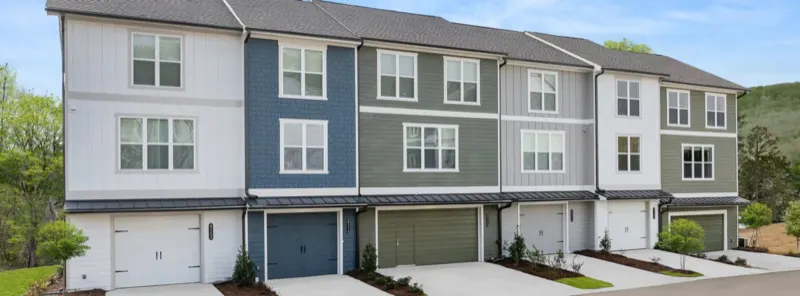 6.1%–6.7% cap
 Asbury Oak
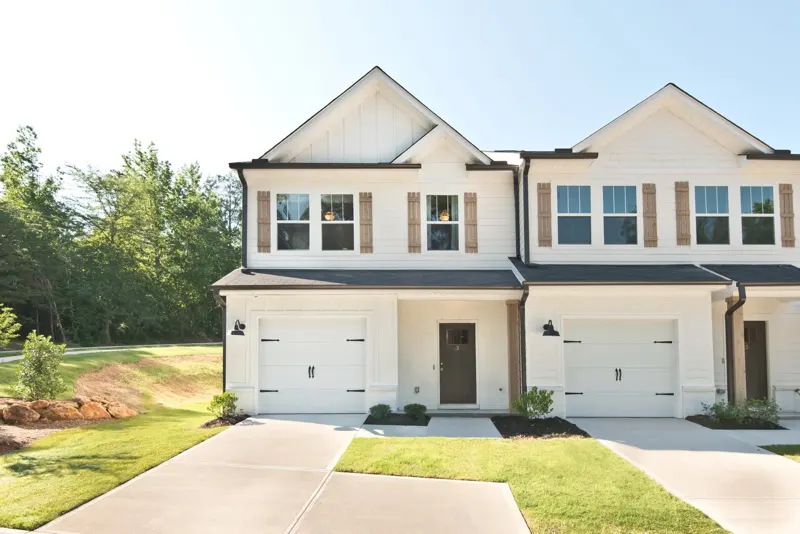 6.2%–6.6% cap
 Coffey Tree
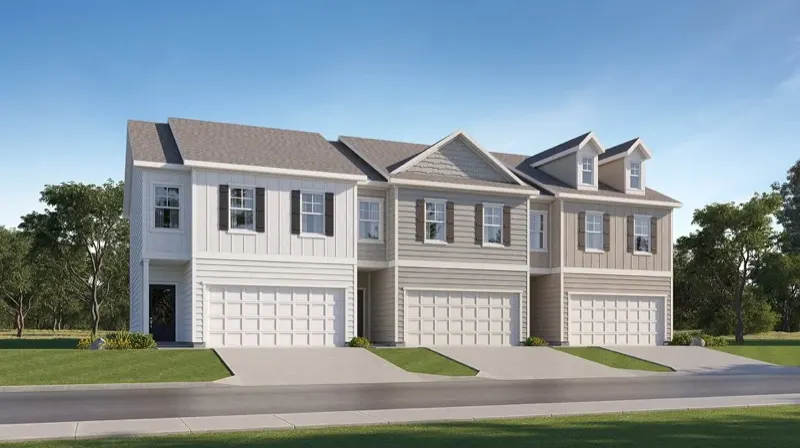 6.6% cap
 Summit View
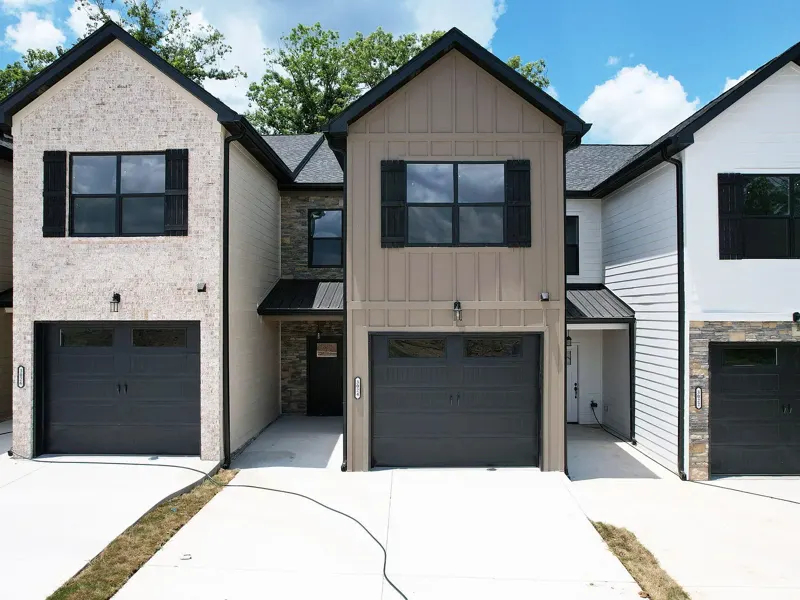 6.6% cap
 Three Creeks Townhomes
Final IPS Take
Chattanooga is one of the more compelling secondary markets in Tennessee.
Population growth, domestic migration, job diversity, outdoor lifestyle appeal, and housing supply pressure all support long-term rental demand. However, investors still need to be selective. Pricing, vacancy, supply, crime, school quality, and rent comps must all be reviewed carefully.
The right Chattanooga deal must be supported by real rents, verified expenses, and a conservative proforma.
If we wouldn’t buy it, we won’t recommend it.
Frequently Asked Questions
Is Chattanooga a good place to invest in real estate?
Yes — Chattanooga pairs Tennessee's no state income tax and 0.52% effective property tax with a lower entry price than Nashville (~$350,000 median) and accelerating job growth (6,600 jobs projected in 2026), supporting strong rent-to-price potential.
Does Chattanooga have a state income tax?
No. Chattanooga is in Tennessee, which levies no individual state income tax (Tax Foundation, 2026).